





It’s a mouthful: Supervisory Control and Data Acquisition, aka SCADA.
It may not roll off the tongue, but SCADA is the technology that keeps our utility humming — and helps keep your lights on. Simply put: Its superhero powers work hand-in-hand with two of the strategic pillars which guide our Co-op – reliability and affordability.
“It greatly enhances efficiencies and saves an incredible amount of man hours and manpower,” said Scott Joyce, senior engineer, who has been involved in designing and managing the implementation of the Co-op’s SCADA system for several years.
SCADA monitors real-time electrical data such as amperage, voltage and power flow readings, storing that information which then gets analyzed to guide our teams in decision-making. It also allows for control of field devices by system operators.
“It helps keep the system healthy so that people get clean, proper power to their houses,” Scott said. “The data is worth its weight in gold.”
In the past, he explained, the information was mined differently.
An engineer would have to drive to and plug into a recloser, then download the data and drive back and upload it. Now, the information comes in directly from all the SCADA enabled devices and an engineer can remote access securely and upload a series of events reports.
“The reports allow the engineers to tweak things so the system operates better and it saves a few hours of driving time. It can quickly be done from their laptop,” Scott said.
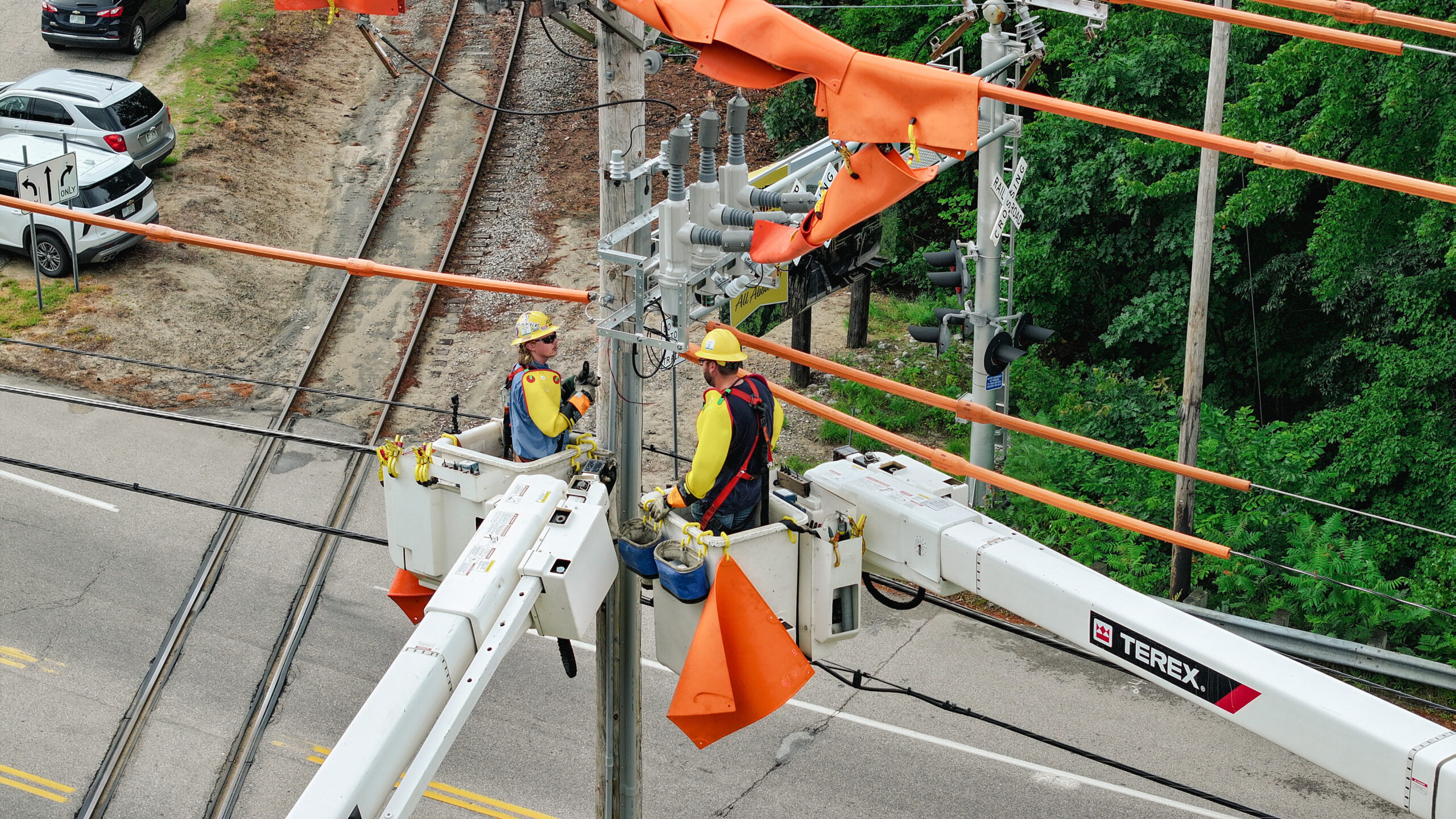
When crews go out to work on projects or maintenance – and certainly during storm restoration – what was once a time-consuming process of driving all the way to a substation to manually apply safety measures for the crews to work and then drive to the actual location to make the repairs, now just takes a matter of seconds from miles away. Our lineworkers call the Control Center which remotely applies a “hot line tag,” a feature on electrical systems that enhances safety for crews. Within 10 to 30 seconds, the Control Center will let the crew know they are free to do their work.
“Crews are able to fix things much quicker and from a financial point of view, two men and a truck is a very expensive hourly rate so it greatly reduces their windshield time and the man hours to fix a simple to a complex problem,” Scott said.
Additionally, another aspect of SCADA’s control capabilities is to meet regulatory requirements set by the regional Independent System Operator, ISO New England. ISO can require voltage reductions during peak periods. With the push of a single button, all of the SCADA enabled voltage regulators on the Co-op system can reduce voltage and alleviate the load on the system. It’s a real time and money saver.
It’s an investment producing returns for our members in the form of reliability and affordability for years to come.
If, for example, a tree or branch falls on a power line, your lights will flicker. We have reclosers – automatic, high-voltage electric switches – strategically placed across the system. They help minimize outages at your home and localize the fault to a specific area, detecting and clearing temporary faults on the line.
Reclosers automatically “open” to interrupt power – flicker lights – and then “re-close” to restore it. Generally, after three flickers and usually all occurring quickly, an outage will result. This means that at that point, the fault is permanent. The tree or limb or other interruption remains on the line. The recloser will stay “open and locked out” until crews make repairs and the recloser is reset.
That flicker of the lights is the system working exactly as it should.